University of Iowa

Connecting Nodes to Knowledge

Developing GeoAI, spatial data science, and geovisualization approaches to understand complex societal challenges across public health, human mobility and migration, population dynamics, and human–environment interactions.

Geo-Social Lab network logo

About the lab

We study how people, places, and networks interact across space and time.

The Geo-Social Lab develops computational methods, GeoAI, spatial network analysis, and geovisualization techniques to understand massive and complex geo-social systems and support real-world decisions.

Our research spans human mobility and migration, demography and kinship networks, public health, hazards and social vulnerability, spatial interaction, cartography, and geovisualization.

Current directions

Featured research

Five interconnected areas define the lab's current research program, including NSF- and NIH-funded projects spanning kinship networks, GeoAI, geovisualization, CAMSA, and human mobility and flow mapping.

NSF funded Flow map showing nineteenth-century U.S. migration patterns from population-scale family tree data

Population-Scale Kinship Networks & Migration

Our NSF-funded project constructs and analyzes large longitudinal family-tree networks to study migration, kinship, demographic change, representativeness, and historical spatial processes.

Explore related publications
Visualization representing GeoAI and Spatial Data Science using social sensing data

GeoAI & Spatial Data Science

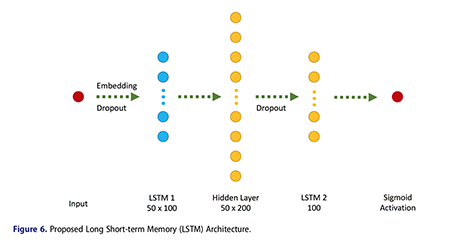
We use GeoAI, spatial data science, and social sensing data such as Twitter and other user-generated content to model patterns, detect events, discover semantics, and support spatial reasoning.

Explore related publications
State-by-state small multiple geovisualization of tweet sentiments before and after the travel ban

Geovisualization & Human–Computer Interaction

We design and evaluate interactive visual systems that help people explore complex spatial data, understand uncertainty, and construct knowledge through geovisualization and human-centered interaction.

Explore related publications
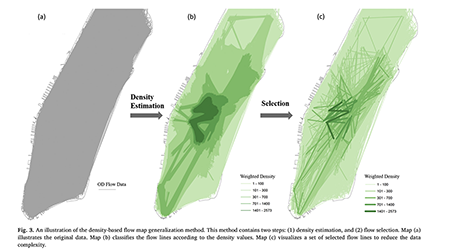
Visualization representing Human Mobility and Flow Mapping

Human Mobility & Flow Mapping

We model human mobility, regions, flows, and spatial interaction across geographic scales, and develop methods and tools for analyzing and visualizing origin–destination movement patterns.

Explore related publications

Updates

Latest news

Recent publications, awards, presentations, student research, and lab activities.

June, 2026

New paper: Wisler Gerdes, E. O., Cai, J., Mahoney, C., Brown, G. D., Clark, J., Charlton, M. E., Koylu, C., Roberts, E., McKelvey, B., Wiggins, C. L., Meisner, A. W., Christian, W. J., Huang, B., Oleson, J. J., & Nash, S. H. (2026). Estimating Small Area Statistics and Developing a Novel Mapping Tool to Display Them Using a User-Centered Design Process. JCO Clinical Cancer Informatics, 10(2). DOI

December, 2025

New paper by lab alumnus Dr. Hoeyun Kwon and Dr. Caglar Koylu: Kwon, H., & Koylu, C. (2026). How We Measure Mobility Matters: Comparing Mobility Change Metrics and Their Associations with Social Vulnerability During the COVID-19 Pandemic. Annals of the American Association of Geographers, 116(3), 697–719. DOI

November, 2025

New paper: Koylu, C., Kasakoff, A. B., & Torkashvand, M. (2025). Settlement and the intergenerational dispersion of kin as a spatial process in the nineteenth century US. The History of the Family. DOI

October, 2025

New paper by Jinyi Cai and collaborators: Cai, J., Wisler Gerdes, E. O., Mahoney, C., Brown, G. D., Clark, J., Charlton, M. E., Roberts, E., McKelvey, B., Wiggins, C. L., Meisner, A. W., Christian, W. J., Huang, B., Oleson, J. J., Nash, S. H., & Koylu, C. (2025). Understanding Users in Small Area Cancer Mapping: Insights from the Early Stages of a User-Centered Design Process. Advances in Cartography and GIScience of the International Cartographic Association, 5, 7. DOI

July, 2025

Rithik Vir, our high school researcher, joined the Geo-Social Lab this summer through the Secondary Student Training Program (SSTP) at the University of Iowa. He presented his poster, The Anatomy of Crowdsourced Family Trees: Discovering Structure in Large-Scale Genealogical Graphs. Poster PDF

People

Team

Researchers with backgrounds in GIScience, geography, informatics, computation, cartography, and spatial data science.

Current researchers

Portrait of Dr. Caglar Koylu

Dr. Caglar Koylu

Director · Associate Professor

School of Earth, Environment, and Sustainability, University of Iowa

Portrait of Jinyi Cai

Jinyi Cai

Ph.D. Student

Geography / GIScience

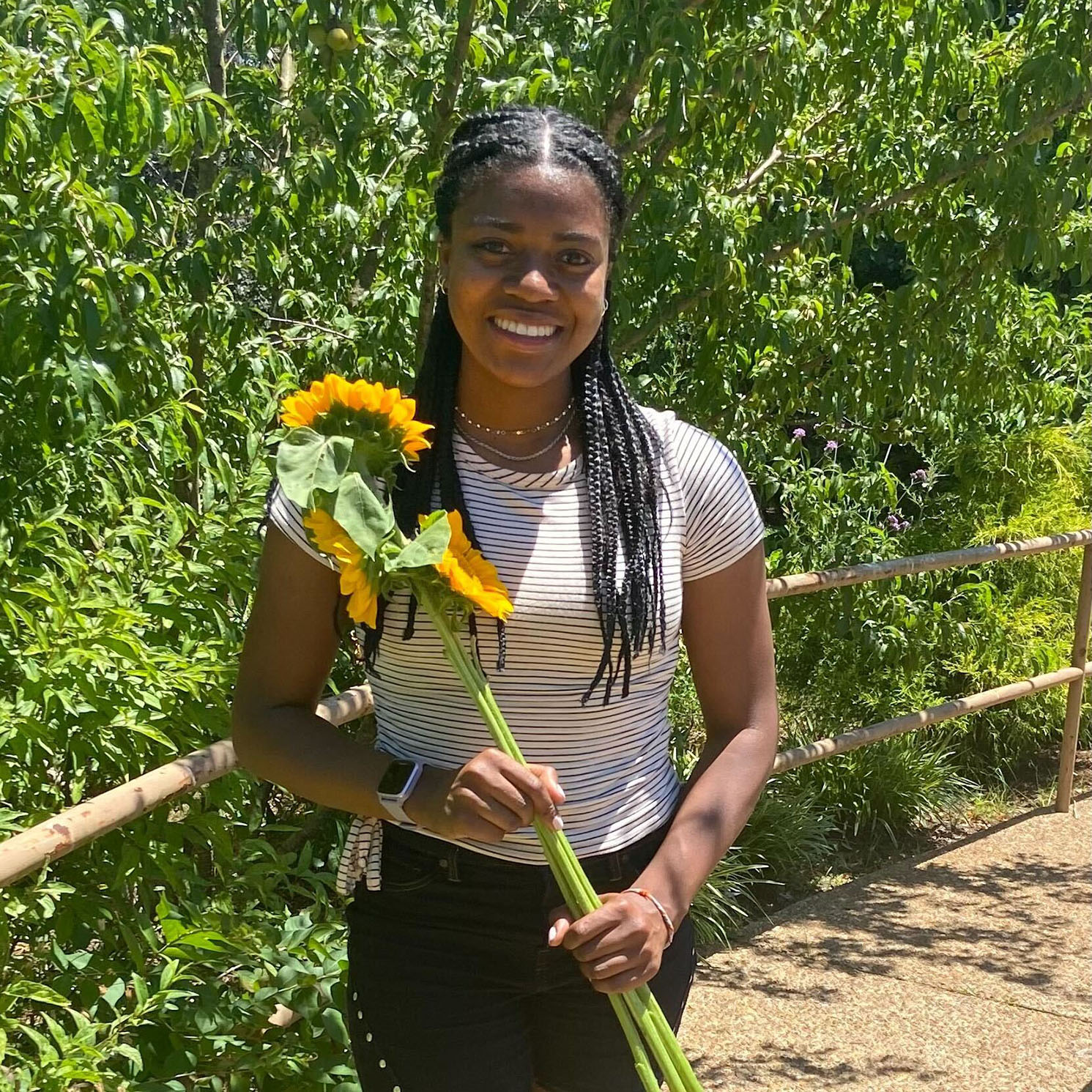
Portrait of Loretta Nwajiaku

Loretta Nwajiaku

Ph.D. Student

Geography / GIScience

Portrait of Elif Korkmaz

Elif Korkmaz

Ph.D. Student

Geography / GIScience

View alumni
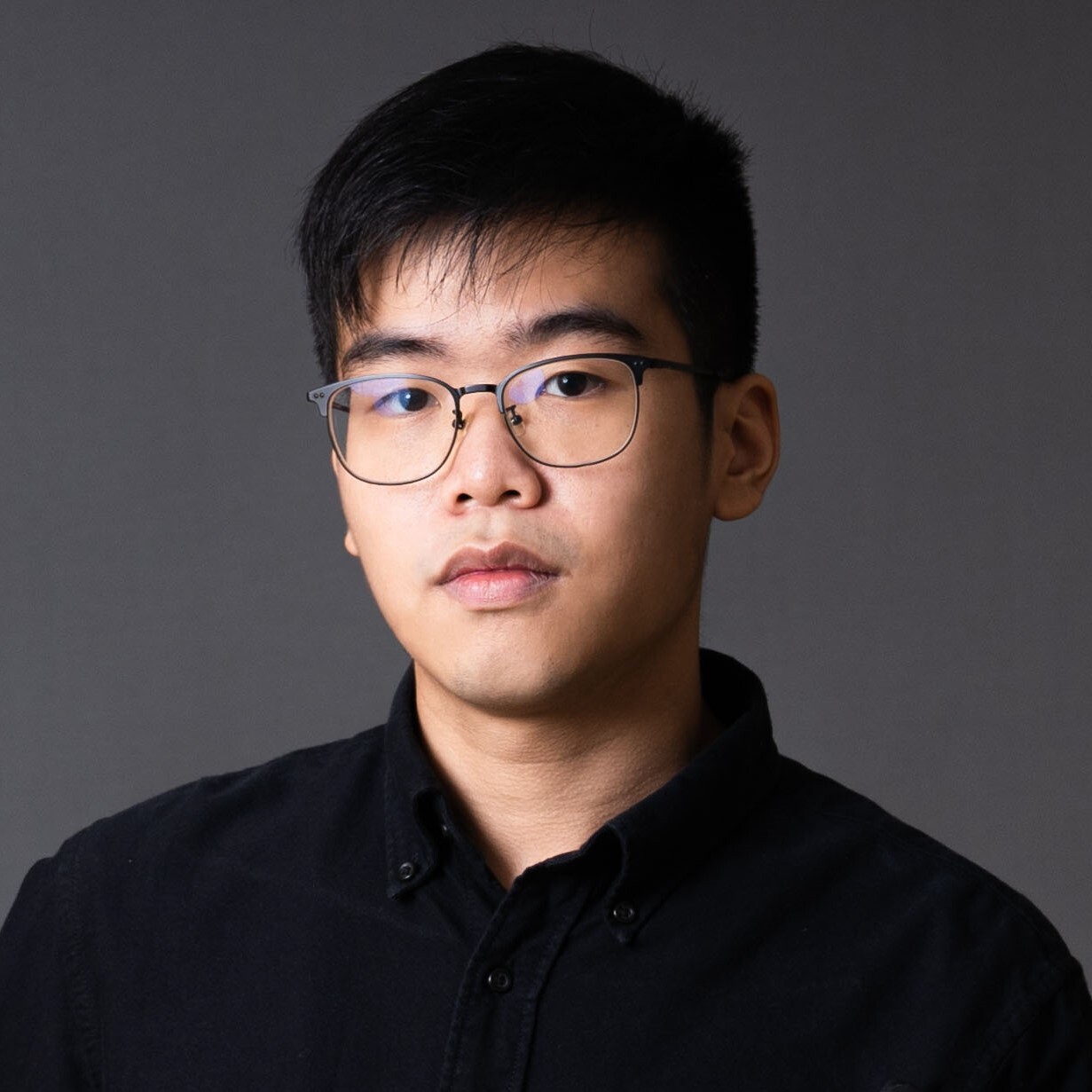
Portrait of Chun Hang Chan (Henry)

Chun Hang Chan (Henry)

M.S. in Informatics / Geoinformatics

Alumnus

Portrait of Hoeyun Kwon

Hoeyun Kwon

Ph.D. in Geography / GIScience

Assistant Professor, Lehman College, CUNY

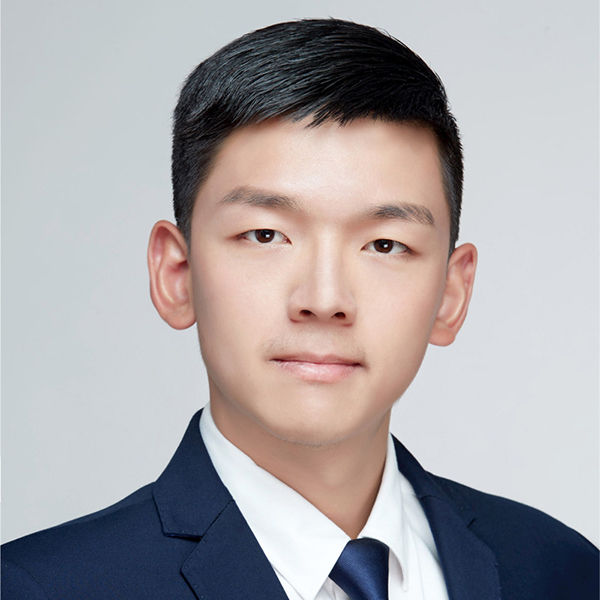
Portrait of Geng Tian

Geng Tian

M.A. in Geography / GIScience

Alumnus · Amazon

Portrait of Angelina Evans

Angelina Evans

B.S. Geography · M.S. Geoinformatics

Alumna

Portrait of Tyler Watters

Tyler Watters

B.S. Geography / GIScience

Alumnus

Portrait of Bin Zhang

Bin Zhang

B.S. Geography / GIScience

Alumnus

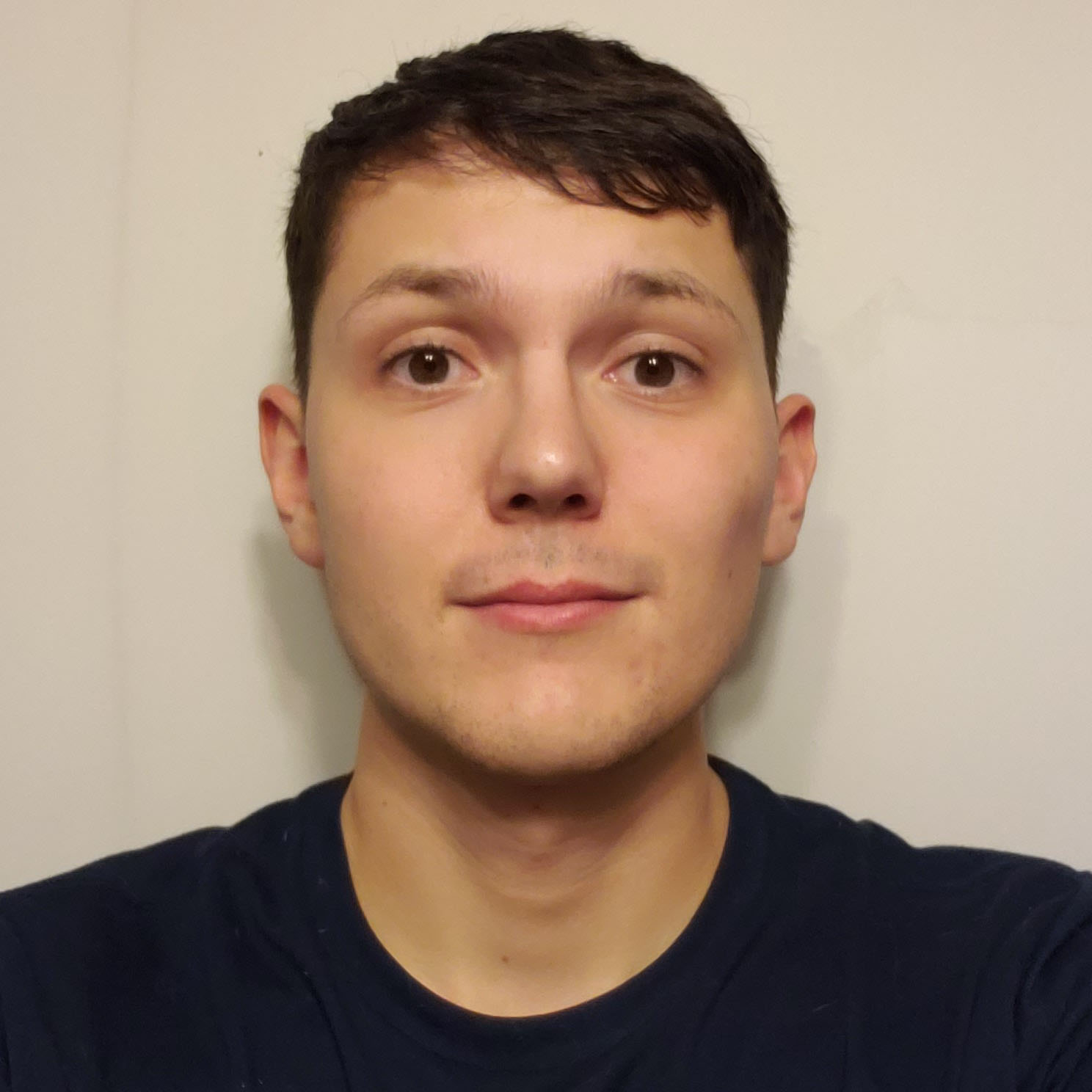
Portrait of Ryan Larson

Ryan Larson

B.S. Informatics

Alumnus

High School Summer Interns (SSTP)

2021
Kaitlyn Hom, Mark Rifkin

Opportunities

Join the Geo-Social Lab

We offer graduate, undergraduate, and high-school research experiences in Geographic Information Science through the School of Earth, Environment, and Sustainability at the University of Iowa.

Graduate teaching and research fellowships and assistantships may be available for competitive students. Prospective graduate students can pursue Geographic Information Science research through the Geography degree program. Current team members include Maryam Torkashvand, Jinyi Cai, Loretta Nwajiaku, and Elif Korkmaz, working with lab director Caglar Koylu. Students should contact Dr. Koylu with a brief description of research interests and a CV.

Research interests

  • Human mobility and flow mapping
  • Cancer mapping
  • Population-scale kinship networks and migration
  • GeoAI and spatial data science
  • Geovisualization, usability, and human–computer interaction

Skills

Python · JavaScript, D3, React, and web development · Eye-tracking and usability evaluation · GeoAI, machine learning, and deep learning · Large language models, retrieval-augmented generation (RAG), and agentic AI · R and Jupyter · ArcGIS Pro and QGIS · PostgreSQL/PostGIS · high-performance and big-data computing

Open research software

Design origin–destination flow maps with FlowMapper

FlowMapper is a web-based framework for creating and exploring flow maps without requiring local software installation.

Open FlowMapper